From the chilling whispers of a meticulously planned retribution to the heart-wrenching echoes of past trauma, Netflix's "The Glory" isn't just a drama; it's a masterclass in emotional manipulation, driven by an unforgettable score and piercing visual storytelling. If you thought Moon Dong-eun's quiet pursuit of vengeance was potent on its own, you haven't truly felt the depth of her resolve until you've tuned into how every note and every frame conspires to amplify her journey. This isn't background music; it's the very pulse of her pain, resilience, and ultimate triumph, a powerful companion piece that elevates the series from compelling to unforgettable.
At a Glance: How "The Glory" Orchestrates Emotion
- A Dual Narrative: The soundtrack seamlessly blends emotive vocal anthems with a sweeping orchestral score, mirroring Moon Dong-eun's journey from quiet suffering to calculated revenge.
- Part 1: The Emotional Blueprint: Initial tracks establish Dong-eun's profound trauma and the genesis of her intricate plan, laying a somber, resilient foundation.
- Part 2: The Symphony of Retribution: An expansive orchestral score takes over, meticulously building tension, revealing character depth, and propelling the revenge plot forward with escalating intensity.
- Visual Synergy: Beyond sound, the series employs cinematography, color, and editing to create a holistic sensory experience, ensuring every visual cue amplifies the musical narrative.
- Psychological Depth: The score isn't just about sad or angry feelings; it explores the complex layers of trauma, obsession, solidarity, and the bitter taste of justice.
- Beyond the Superficial: It avoids common revenge drama clichés by using music to underscore psychological complexity rather than just action.
Not All Glory is Created Equal: Setting the Stage for Our Analysis
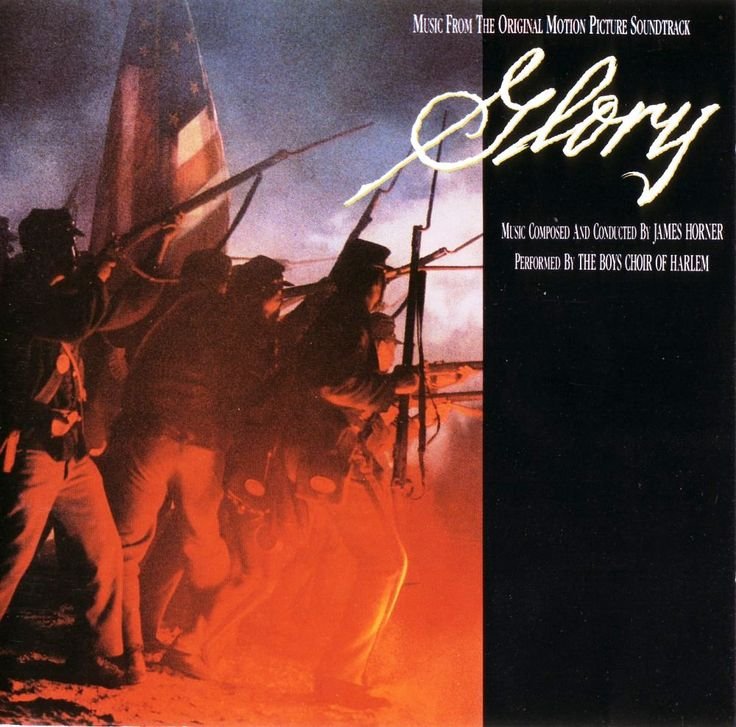
Before we dive into the intricate world of Moon Dong-eun’s sonic landscape, it’s worth noting that the name "Glory" carries a significant legacy in cinematic history, particularly for those familiar with the 1989 American Civil War film of the same name. While both productions are lauded for their emotional depth and masterful use of music, their contexts and compositional approaches diverge significantly. The 1989 "Glory," with James Horner's iconic score featuring the Boys Choir of Harlem, tells a story of emancipation and wartime heroism, utilizing militaristic themes and a proud, malleable melody that evolves to represent freedom. It's a classic example of how a score can elevate historical drama.
However, our focus today is entirely on the South Korean Netflix sensation, "The Glory," which, despite sharing a title, paints a dramatically different picture. This K-drama delves into the insidious depths of school bullying, systemic trauma, and a woman's meticulously planned, years-long quest for justice. The "glory" here isn't found on a battlefield, but in the quiet, methodical dismantling of her tormentors' lives. This distinction is crucial as we embark on analyzing how "The Glory"'s soundtrack and visual elements work together to create a profoundly affecting, psychologically rich narrative specific to Moon Dong-eun's unique journey.
The Haunting Echoes of Trauma: "The Glory"'s Emotional Core
"The Glory," penned by the brilliant Kim Eun-sook and directed by Ahn Gil-ho, takes us into the life of Moon Dong-eun (Song Hye-kyo), a woman scarred by unspeakable high school bullying. Her elaborate revenge scheme isn't about bloodlust; it's about reclaiming a life stolen, finding peace through precise, poetic justice. The narrative’s heavy themes of abuse, mental torture, and redemption demand a soundtrack that can carry this immense emotional weight without succumbing to melodrama. And it delivers.
The genius of "The Glory"'s soundtrack lies in its ability to articulate the unspoken—the lingering pain, the ironclad resolve, the fleeting moments of vulnerability, and the chilling satisfaction of an achieved objective. It’s a carefully curated tapestry of sound that makes you feel Dong-eun's every suppressed sob and every calculated step.
The Sonic Architects: Composers and Artists Behind the Narrative
The intricate auditory world of "The Glory" is crafted by a talented ensemble. The orchestral score, integral to the series' escalating tension and emotional arcs, is primarily the work of Jung Se Rin, Kim Taejin, and Kim Joon-seok. Their collaborative efforts ensure a cohesive and evolving musical identity for the series.
Complementing this rich instrumental backdrop are emotive vocal anthems from renowned artists, each lending their unique voice to key moments in Dong-eun's journey:
- Paul Kim
- Yangpa
- Kim Yeji
- SURAN
- Kelley McRae
These artists don't just provide songs; they provide an inner monologue, a collective sigh, or a defiant declaration that resonates deeply with the viewer, creating an intimate connection with Dong-eun's psychological landscape.
Part 1's Prelude to Pain: Establishing the Emotional Foundation
"The Glory: Part 1" released on December 30, 2022, serves as the exposition, meticulously laying bare Dong-eun's past, her suffering, and the quiet genesis of her decades-long plan. The initial five-track soundtrack for this part is a masterclass in establishing emotional identity, each song a brushstroke on the canvas of her trauma and burgeoning resilience.
- "Long Black Night" (긴긴밤) - Kim Yeji (4:09)
- Emotional Weight: This track often plays during Dong-eun's solitary moments, reflecting her sleepless nights and the pervasive darkness that has consumed her life since high school. Kim Yeji's haunting vocals perfectly capture the endless nature of her suffering and the loneliness of her revenge quest. It’s a lullaby for a life robbed of sleep, filled with the ghosts of her past.
- Visual Connection: Think of scenes where Dong-eun stares out her window at night, or meticulously plans in her dimly lit apartment, the weight of years evident in her posture.
- "Until the End" - Kelley McRae (4:35)
- Emotional Weight: McRae's folk-infused melody brings a fragile sense of hope mixed with deep melancholy. It speaks to Dong-eun's unwavering determination to see her plan through, "until the end," no matter the personal cost. There's an underlying current of endurance, a quiet promise to herself.
- Visual Connection: This track often accompanies montages of Dong-eun diligently working, studying, or building her life piece by piece, showcasing her immense resilience despite the scars.
- "The Whisper of Forest" - SURAN (4:17)
- Emotional Weight: SURAN's ethereal voice offers a fleeting sense of calm amidst the storm, almost like a brief reprieve from the harsh reality. It evokes a dreamlike quality, perhaps representing the innocent life Dong-eun lost, or the peace she yearns for after her mission is complete. It’s a delicate counterpoint to the brutality she endured.
- Visual Connection: Could be heard during scenes depicting fleeting moments of connection, or perhaps when Dong-eun reflects on her past without immediate anger, just a deep-seated sadness.
- "You Remember" (���는 기억한다) - Paul Kim (3:38)
- Emotional Weight: Paul Kim's signature emotive balladry directly addresses the core theme of the series: memory and accountability. This track powerfully conveys Dong-eun’s relentless demand for her tormentors to remember what they did. It's accusatory yet deeply sorrowful, a call for recognition of her pain.
- Visual Connection: Plays during critical flashbacks or when Dong-eun confronts her bullies, their faces contorted in confusion or arrogance, while she silently reminds them of their past actions.
- "A Dazzling Season" (눈부신 계절) - Yangpa (4:48)
- Emotional Weight: Yangpa’s powerful vocals and the uplifting, almost hopeful melody suggest a future where Dong-eun might finally experience a "dazzling season"—a time of peace and happiness. It’s a promise, a light at the end of a very long, dark tunnel, fueling her present actions.
- Visual Connection: Often heard when Dong-eun experiences small victories or forms unexpected bonds, hinting at the potential for healing and a brighter future beyond revenge.
These five tracks are more than just songs; they are narrative devices, carefully placed to deepen our understanding of Dong-eun’s suffering, her motivations, and the emotional burden she carries. They don’t just trace her story; they make us feel it.
Part 2's Symphony of Retribution: Orchestrating Justice
With Part 2’s release on March 10, 2023, "The Glory" shifts from exposition to execution, expanding into a sweeping score that's been aptly described as a "symphony of revenge." The full soundtrack explodes with over 40 tracks, predominantly instrumental, designed to meticulously build tension, underscore character revelations, and propel the intricate plot toward its cathartic climax.
The orchestral score, composed by Jung Se Rin, Kim Jun Seok, Joo In Ro, Lee Yun Ji, and Kim Taejin, becomes an active participant in the storytelling. It's less about individual vocal pieces and more about recurring motifs, escalating harmonies, and the psychological impact of sound.
Key Instrumental Movements and Their Impact:
- "Prelude to the Glory" / "Title of the Glory": These tracks often open or close episodes, setting a somber, determined tone. They encapsulate the entire journey—the initial trauma, the long wait, and the unfolding of justice. There’s a sense of grand design, a testament to Dong-eun’s unwavering focus. The recurring melodic phrases act as an auditory signature, immediately transporting you back into her world.
- "My Long-Term Plan" / "Designed Revenge": These cues are the sonic embodiment of Dong-eun’s meticulous strategy. They feature measured, almost chillingly precise strings and piano, building slowly with layers of anticipation. You can almost hear the gears turning in Dong-eun's mind as she executes each step. The music avoids bombast, instead opting for a subtle, almost surgical precision that mirrors her own.
- "It’s Not a Fairy Tale, It’s a Fable (Pie Jesu)" - Gabriel Fauré & Bon Choon Koo feat. Min Ki Jeong: The inclusion of a classical piece like Fauré's "Pie Jesu," reimagined, is particularly striking. "Pie Jesu" (Latin for "Pious Jesus") is a prayer for mercy and eternal rest. Its presence here adds a profound layer of irony and moral complexity. Is Dong-eun seeking mercy for herself, or is she praying for the souls of her tormentors, or perhaps her own soul after enacting such thorough vengeance? It elevates the narrative beyond simple good vs. evil, suggesting a deeper spiritual reckoning.
- "The Solidarity of the Victims": As Dong-eun finds allies in her journey, this theme emerges, often with warmer, more expansive instrumentation. It represents the quiet strength found in shared suffering and collective action, providing moments of emotional warmth and relief amidst the colder, more calculating revenge themes.
- "Achilles Heel" / "Vortex of Revenge": These tracks are where the tension truly escalates. Discordant strings, ominous brass, and rapid percussive elements create a sense of impending doom for Dong-eun's targets. The "Vortex of Revenge" in particular feels like an inescapable spiral, pulling everyone involved—victims and perpetrators—into its powerful current. The music here is less subtle, designed to elicit immediate visceral reactions of dread and excitement.
- "The Days I Was Alive": This cue provides a moment of introspection, perhaps when Dong-eun reflects on her past, or when the cost of her revenge is felt most deeply. It’s often characterized by mournful strings or a solitary piano, evoking a sense of lost innocence and the emotional toll of her path.
The full soundtrack, licensed by Genies Music, isn't just a collection of songs; it's a narrative in itself, available for streaming, purchase, and download on major platforms for those who wish to relive the emotional rollercoaster. If you've enjoyed the intensity of this K-drama, you might also be interested to learn about The Glory Chinese Drama and how it navigates similar themes..
Beyond the Notes: Visual Storytelling as a Silent Partner
While the soundtrack anchors "The Glory"'s emotional landscape, the series’ visual storytelling is its inseparable twin, meticulously designed to amplify every chord and crescendo. The collaboration between direction, cinematography, set design, and editing creates a holistic sensory experience that goes far beyond mere backdrop.
Color and Light: Painting Psychological States
- Moon Dong-eun's Palette: Initially, Dong-eun's world is muted, often bathed in cool blues, grays, and shadows. Her apartment, though functional, is stark—a reflection of a life stripped bare by trauma. These visual choices reinforce her isolation and the long, "black night" she endures. As her plan progresses and she gains a semblance of control, subtle shifts occur. Perhaps a warmer light, a touch of color in her wardrobe, hinting at the "dazzling season" she yearns for.
- The Bullies' World: In stark contrast, her tormentors often inhabit vibrant, luxurious spaces filled with bright, sometimes garish, colors. This visual opulence serves to highlight their moral depravity; their world is outwardly beautiful but inwardly rotten. The garishness can often feel unsettling, almost sickly sweet, mirroring their toxic personalities. When Dong-eun infiltrates these spaces, the visual clash is palpable, emphasizing her status as an outsider bringing disruption.
Cinematography and Framing: The Gaze of Vengeance
- Close-Ups and Intimacy: The camera frequently employs tight close-ups on Dong-eun’s face, allowing viewers to pore over every micro-expression—a subtle smirk, a flicker of pain, the steely glint in her eyes. These intimate shots, often accompanied by a poignant musical motif, forge a deep empathetic connection, allowing us to witness her internal battles and triumphs.
- Symmetry and Order: Many shots during Dong-eun’s planning phases or during moments of control are meticulously composed with strong lines and symmetry. This visual orderliness mirrors her own precise, calculated approach to revenge. It's visually satisfying to see her world fall into place, just as her plan unfolds.
- Unsettling Angles: When focusing on the bullies, particularly during moments of their unraveling, the cinematography might use slightly off-kilter angles or Dutch tilts, creating a sense of unease and psychological disarray that complements the rising tension in the score.
Editing: The Rhythm of Retribution
- Flashbacks and Memory: The editing seamlessly weaves between past and present, often triggered by a particular visual cue or a haunting musical phrase. These rapid cuts between Dong-eun's youthful suffering and her adult resolve are crucial for demonstrating the long-term impact of trauma and the deep roots of her revenge. A single musical note can bridge decades in a moment.
- Pacing and Tension: The editing pace works hand-in-hand with the score. Slow, deliberate cuts during moments of quiet planning or introspection, allowing a sorrowful melody to resonate. Then, rapid-fire cuts during confrontations or reveals, syncopated with the escalating, high-tension orchestral pieces, create a thrilling, almost breathless experience.
The synergy between the visual and auditory elements in "The Glory" is not merely additive; it's multiplicative. It's what makes the series so deeply immersive and emotionally resonant, pulling viewers into Moon Dong-eun's world and allowing them to viscerally experience her "glory."
A Shared Language: Comparing "The Glory" with "Glory" (1989) in Thematic Scoring
While fundamentally different in narrative and origin, both "The Glory" (K-drama) and "Glory" (1989 film) offer compelling case studies in how a meticulously crafted score can become the psychological backbone of a story. Comparing them, not to diminish one, but to illuminate their respective strengths, provides a deeper understanding of thematic scoring.
James Horner's score for the 1989 "Glory" is lauded for its emotional depth, employing three major themes and a striking motif:
- Call to Arms theme: A militaristic, trumpet and choir-driven piece embodying the soldier's duty.
- Proud, malleable, long-line melody: Initially Robert Shaw's theme, it morphs to represent the broader theme of emancipation from various forms of oppression.
- Yearning and longing theme (fragility): Reflecting the shifting fortunes and human cost of war.
- Stern motif: A brass-driven representation of resolve.
Crucially, Horner integrated the Boys Choir of Harlem, whose "pure and almost angelic sound" against battle scenes provided a transcendent quality, creating a powerful juxtaposition between innocence and the brutality of war. His process was complex, even involving disagreements with director Edward Zwick about musical choices, leading to Horner developing original, psychologically complex music.
Points of Comparison:
- Thematic Evolution:
- "Glory" (1989): Horner’s Proud, malleable, long-line melody is a brilliant example of thematic evolution. It starts with Shaw, but then expands to encompass the wider struggle for emancipation, making the music grow with the narrative's scope.
- "The Glory" (K-drama): While perhaps not a single "malleable" melody, the K-drama's score achieves similar thematic evolution. Tracks like "Prelude to the Glory" or "Designed Revenge" start as expressions of Dong-eun's singular trauma, but they gain layers as allies join her, representing a broader "solidarity of victims" or the systemic nature of the injustice she fights. The revenge, too, evolves from a personal vendetta to a statement about societal accountability.
- Emotional Juxtaposition & Unique Elements:
- "Glory" (1989): The Boys Choir of Harlem provides an almost ethereal, spiritual counterpoint to the harsh realities of war. The Latin lyrics during "Charging Fort Wagner" ("Amen, vita et mors / In manus tuas Domine") emphasize the inevitability of death, making the spiritual explicit.
- "The Glory" (K-drama): The K-drama uses its vocal tracks like "You Remember" or "A Dazzling Season" in a similar, though more grounded, way. They act as emotional anchor points, providing catharsis or reflective moments amidst the tension. The orchestral score, particularly with pieces like "It’s Not a Fairy Tale, It’s a Fable (Pie Jesu)," introduces a classical, almost liturgical solemnity that juxtaposes the modern, gritty revenge narrative, adding a layer of moral ambiguity and a quest for spiritual peace.
- Psychological Complexity:
- Both scores excel at conveying the internal struggles of their characters. Horner's "The Whipping" cue for the 1989 film, with its fragmented themes, perfectly conveys Shaw’s internal conflict and Trip's breaking will.
- In "The Glory" K-drama, tracks like "The Days I Was Alive" or the more melancholic instrumental passages articulate Dong-eun's persistent pain, the emptiness even in victory, and the immense psychological toll of her journey. The music doesn't just score the external plot; it paints the internal landscape of trauma and healing.
- Ending with Introspection:
- Horner frequently ended his scores with moments of meditation and introspection, often incorporating silence. "An Epitaph to War" where the Boys Choir performs the emancipation theme a capella, brings the score full circle, emphasizing the cold nature of war despite acts of bravery.
- "The Glory" K-drama similarly uses its musical conclusion not for triumphant fanfare, but for a more nuanced reflection on the aftermath of revenge. The final notes often linger, leaving the audience with the weight of Dong-eun's journey, suggesting that while justice may be served, the scars remain, and true "glory" might be found in the quiet rebuilding of a life.
By examining both, we see that regardless of genre or cultural context, a truly great score doesn’t just accompany a story; it embodies it, weaving themes, emotions, and psychological depth into the very fabric of the narrative.
The Art of Subtlety and Crescendo: How "The Glory" Avoids Cliches
Many revenge dramas fall into predictable traps: overly dramatic, manipulative scores that tell the audience what to feel, rather than letting them experience it. "The Glory" expertly sidesteps these clichés through sophisticated musical and visual choices.
Beyond Generic "Sad Music"
Instead of relying on a broad, melancholic theme every time Dong-eun is sad, the score offers nuance. When she's planning, the music is precise, almost clinical, reflecting her calculating mind ("Designed Revenge"). When she briefly connects with Joo Yeo-jeong, there might be a softer, tentative melody, highlighting rare moments of human warmth. This specificity prevents emotional fatigue and makes the impactful moments resonate even more strongly. The score understands that Dong-eun isn’t just a victim; she’s an architect of justice.
Silence as a Weapon and a Breath
"The Glory" isn't afraid of silence. In fact, it weaponizes it. Moments of shocking revelation or intense confrontation are often punctuated by sudden, abrupt silence, amplifying the visual impact and forcing the audience to lean in, to truly hear the unspoken. Conversely, silence also offers moments of respite, allowing the viewer to process complex emotions before the next wave of musical intensity. This deliberate use of silence is a hallmark of sophisticated storytelling, demonstrating confidence in the narrative itself.
Layering Emotion, Not Dictating It
The score's true brilliance lies in its ability to layer emotions. A track might start with a seemingly triumphant melody, but an underlying minor chord or a discordant string section subtly hints at the lingering pain or the moral ambiguity of Dong-eun's actions. This prevents the revenge from feeling like a purely heroic endeavor, reminding us of the immense personal cost and the complex ethical landscape she navigates. It allows for a more mature and thoughtful exploration of the themes, making the audience complicit in feeling a range of sometimes contradictory emotions. The score doesn't tell you to feel angry or sad; it invites you to feel the intricate dance of these emotions alongside Dong-eun.
FAQ: Your Burning Questions on "The Glory"'s Soundtrack
Who composed the original score for "The Glory"?
The original instrumental score for "The Glory" was composed by a team including Jung Se Rin, Kim Taejin, and Kim Joon-seok. Other composers like Joo In Ro and Lee Yun Ji also contributed to the extensive Part 2 soundtrack.
How many songs are featured in "The Glory" soundtrack?
"The Glory" features an extensive soundtrack. Part 1 included 5 vocal tracks. Part 2 expanded dramatically with 42 tracks, predominantly instrumental, bringing the total to over 40 distinct pieces, including vocal anthems and instrumental scores.
What is the main theme of "The Glory"?
The main theme of "The Glory" is revenge and justice, born from unaddressed school bullying and trauma. However, it deeply explores sub-themes of pain, catharsis, abuse, mental torture, and redemption. The soundtrack mirrors these themes, evolving from raw anguish to meticulous determination and ultimately, complex closure.
How does the soundtrack enhance the revenge plot?
The soundtrack is integral to the revenge plot by:
- Establishing Mood: Creating an atmosphere of dread, sorrow, or fierce determination.
- Building Tension: Gradually escalating musical complexity and volume during confrontations or plot reveals.
- Highlighting Character Psychology: Using specific motifs to represent Dong-eun’s resolve, her past trauma, or her rare moments of vulnerability.
- Foreshadowing: Subtle musical cues often hint at impending events or emotional shifts.
- Providing Catharsis: Offering powerful emotional release during moments of triumph or tragic revelation.
Is the "Pie Jesu" track original to the drama?
The track "It’s Not a Fairy Tale, It’s a Fable (Pie Jesu)" is a reinterpretation or arrangement of Gabriel Fauré’s classical piece "Pie Jesu." Its inclusion adds a layer of spiritual and moral complexity to the narrative.
The Enduring Echo: Why "The Glory"'s Sound Resonates
"The Glory" isn't merely a trending drama; it's a cultural phenomenon, a searing indictment of social injustice, and a testament to the power of human endurance. Its soundtrack and visual storytelling are not accessories but fundamental pillars supporting its narrative weight. They allow us to not just observe Moon Dong-eun's journey but to experience it, to feel the long black night of her trauma and the dazzling season of her hard-won justice.
The enduring echo of "The Glory"'s soundscape encourages us to rewatch the series, this time with a heightened awareness of its sonic and visual tapestry. Pay attention to how a subtle shift in melody can signal a character’s internal conflict, or how a change in color palette precedes a pivotal moment. You’ll discover layers of artistry that elevate this revenge drama into a profound exploration of pain, power, and the complex, often bittersweet, nature of reclaiming one's life. The glory, you'll realize, isn't just in the revenge, but in the masterful craft that brought it to life.